
Every company, regardless of its size, is exposed to reputational risk. Identifying and managing this risk properly is, therefore, key to maintaining credibility and fostering growth. With this in mind, we will explain step by step how to identify the signs of a crisis and how to prevent them to protect your brand’s reputation.
What Is Reputational Risk?
Reputational risk is the possibility that a company could face financial losses, a deterioration in its image, and a lack of trust from its stakeholders due to internal or external actions. This can be caused by poor business practices, unforeseen incidents, or supply chain failures. If not managed properly, this risk can easily lead to a reputational crisis that, in turn, affects both the company’s public image and its operations
What effect does reputational risk have on your company?
Damage to a company’s reputation can affect its relationships with customers, investors, and partners. The main effects of poorly managed reputational risk include:
- Loss of trust: Customers and other stakeholders may lose trust in the company, resulting in decreased sales and customer retention.
- Financial impact: A reputational crisis can lead to penalties, lawsuits, or financial losses due to a reduction in market share.
- Deterioration of internal morale: Staff may be affected by the company’s poor image, which can negatively impact performance and engagement.
Signs that indicate reputational risk in your company Signs that indicate reputational risk in your company
5 signs that your company faces a reputational risk
Detecting the early signs of a potential reputational risk is crucial to managing it effectively. Here are the 5 most common signs.
1. Decrease in customer satisfaction
If your customers are dissatisfied with the products or services you offer, this can damage your company’s reputation. A drop in customer satisfaction can signal problems with quality, service, or customer service.
2. Negative reviews or criticism on social media
Reputation crises often worsen on social media. Constant negative reviews or criticism on public platforms are a clear sign that your company’s reputation is at risk. These reviews not only affect your current customers but also discourage future customers.
3. Increase in complaints and claims
If your company is receiving an increasing number of complaints and claims, it’s a sign that something isn’t working properly. One type of risk associated with poor internal practices is an increase in unanswered or poorly managed claims, which can affect public perception.
4. Negative advertising in the media
Negative media coverage, whether in print, on television, or online, can seriously damage a brand’s reputation. This negative publicity is a sign that your company faces a reputational risk that needs to be addressed immediately.
5. Internal problems leaking to the public
When internal company problems, such as layoffs, employee conflicts, or operational glitches, become public, the reputational damage can be significant. It’s essential that your company has a contingency plan in place to effectively manage these incidents and avoid a crisis.
How to properly manage reputational risk?
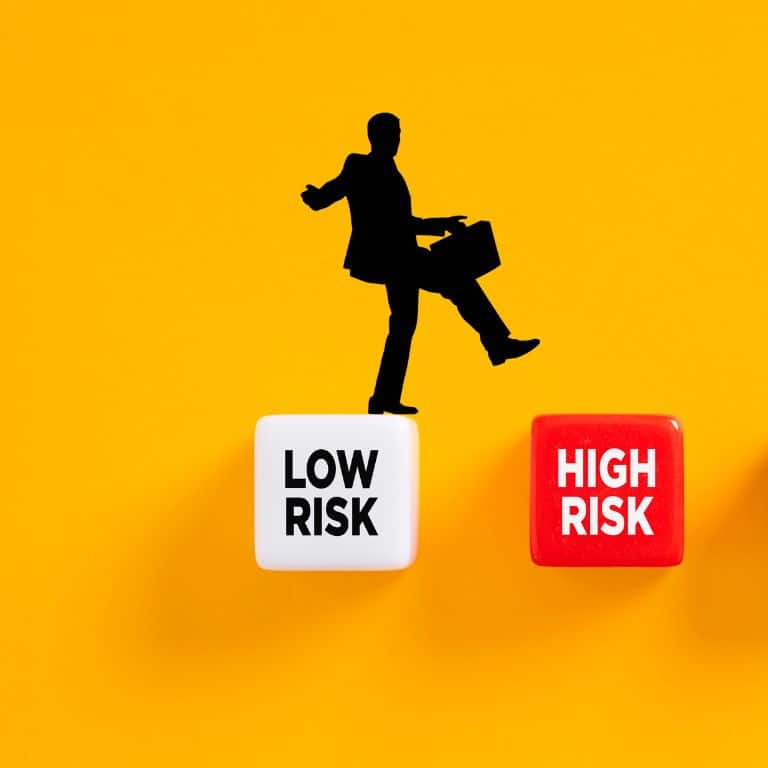
A crisis management plan requires expertise in key areas such as cybersecurity, conflict resolution, crisis management, and public relations management.
Here are some good practices for reputation management and risk mitigation:
1. Identify and evaluate each risk
Maintaining a strong long-term reputation means anticipating potential risks that could affect the company within its sector or market.
This can be achieved by using tools such as risk matrices or specific analysis methods, which facilitate understanding of strategic risks and allow for the establishment of more effective contingency plans.
2. Know the stakeholders
Stakeholders are fundamental to any risk management strategy. It is essential to recognize these actors as allies or potential sources of risk. As relationships with third parties evolve, risk situations can be identified that must be managed to avoid negative impacts.
3. Conduct periodic evaluations
Continuous improvement of business processes and practices is key to reducing the likelihood of reputational risk affecting the company. Ongoing training and professional experience, combined with sound business practices, contribute to generating opportunities that protect the trust of customers and stakeholders.
4. Implement appropriate measures to mitigate risks
Reputation risk management is complex and must be taken seriously. Having specific contingency plans tailored to the nature of the company is crucial to mitigate any negative impact. Furthermore, it is important that these measures include public relations strategies and appropriate approaches to managing the risks presented by each project.
5. Choose the right contingency plan
Proactive planning allows companies to be better prepared to face potential crises. An effective contingency plan reduces the negative impact on reputation, while improving the organization’s ability to communicate with its customers and the media in a timely and effective manner.
6. Have the support of risk management experts
The latter is crucial, as companies that lack specialized cybersecurity expertise run a greater risk of compromising their corporate reputation.
In fact, failing to develop skills to protect sensitive customer data and information can lead to data breaches and operational issues, seriously affecting a company’s image.
At Mejor Imagen we can mitigate reputational risk
We help you protect what’s most valuable to you: your business’s reputation . We specialize in preventing and mitigating reputational risks with customized strategies that include vulnerability analysis, continuous network and media monitoring, real-time crisis management, actions to repair your digital image, and the removal of harmful content.
Are you noticing warning signs about your online reputation? Here’s how we can help:

Signs that indicate reputational risk in your company Signs that indicate reputational risk in your company
Frequently Asked Questions
Questions? We’re here to answer them all:
How to measure reputational risk in your company?
Measuring reputational risk is an ongoing process that includes social media monitoring, customer satisfaction analysis, and workplace climate assessment. We use advanced monitoring tools to identify areas for improvement and prevent crises.